
Archeoastronomy
Articles
Archaeoastronomy in artifacts

Heiliger Stein and Nebra disc as archeoastronomical records of the Moon phases
Archaeoastronomy is based on the assumption that the (researched and) found directions originating in the archaeological site are intentionally oriented (aligned) to the astronomical target; therefore, it is unlikely that the direction will...
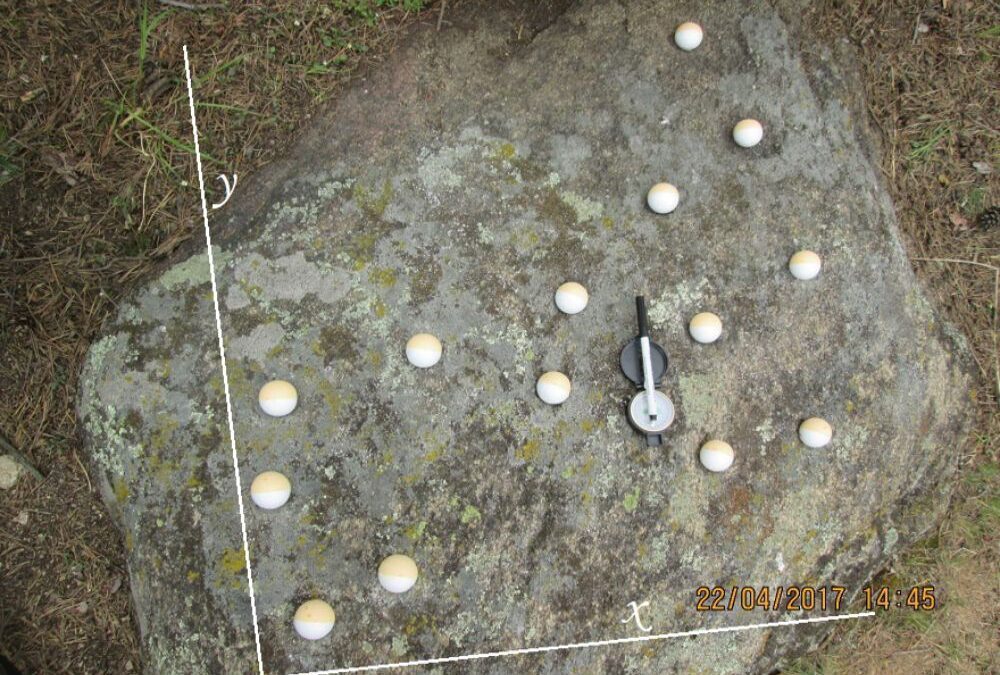
Analysis of the cup-marked stone of Staré Vinice
The cup-marked stone on the hill of the Staré Vinice near the village of Hnanice, in height above the sea of 340 m, is a flat stone made of light biotite granite measuring 1 x 1 m with 14 flat cups with a diameter of 5 to 8 cm, approx. 1–3 cm deep....
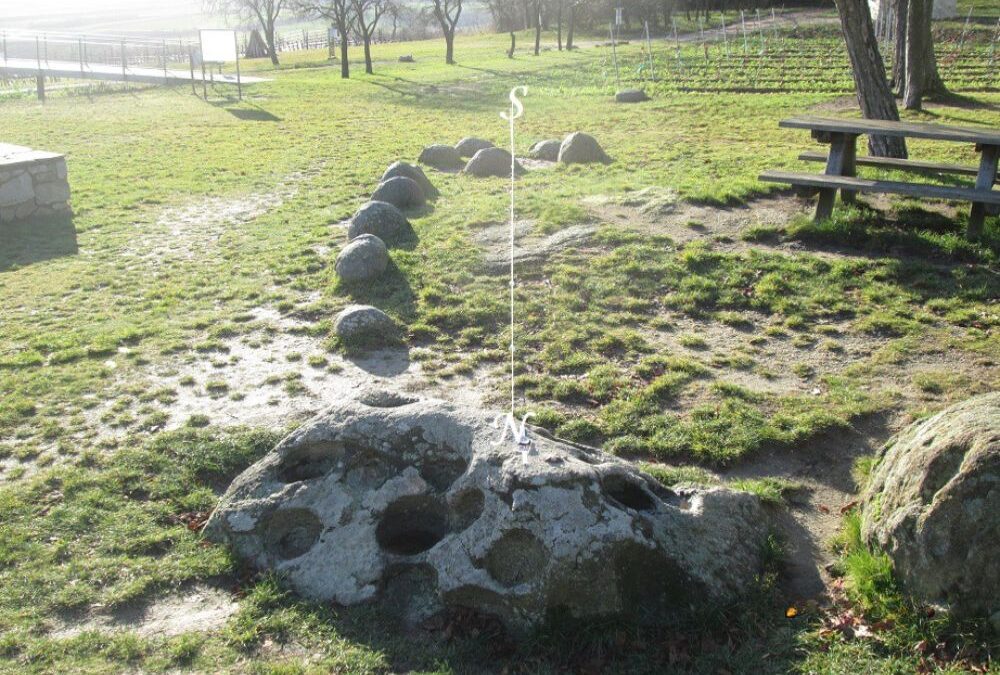
Heiliger Stein-Celtic lunar symbolism in basalt stone round shapes?
If we date the origin of cup-marked stones into the Eneolithic, there is a question about the significance and age of other stones in the immediate vicinity (1 m) from Heiliger Stein. Their shape and the dark gray color with signs of weathering...
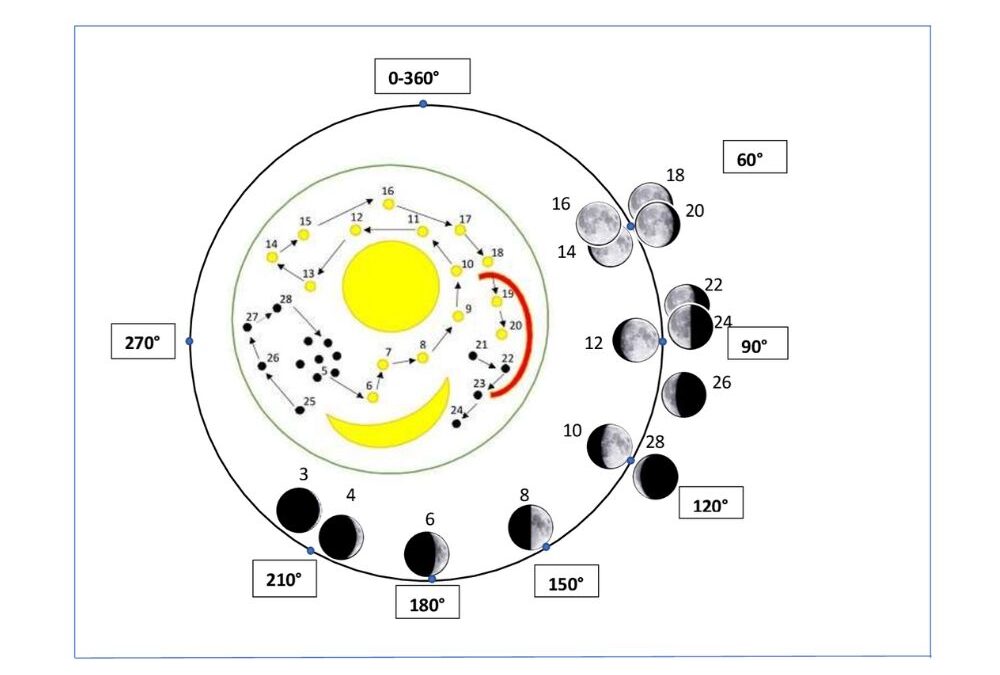
The Nebra disc phenomenon
It is considered to be the oldest illustration of the starry sky from the Early Bronze Age (Meller 2002) Citation: ‘Die besondere Bedeutung der Himmelsscheibe von Nebra liegt in der bislang wohl weltweit ältesten konkreten...